
How to Choose Packaging for E-commerce: A Practical Framework
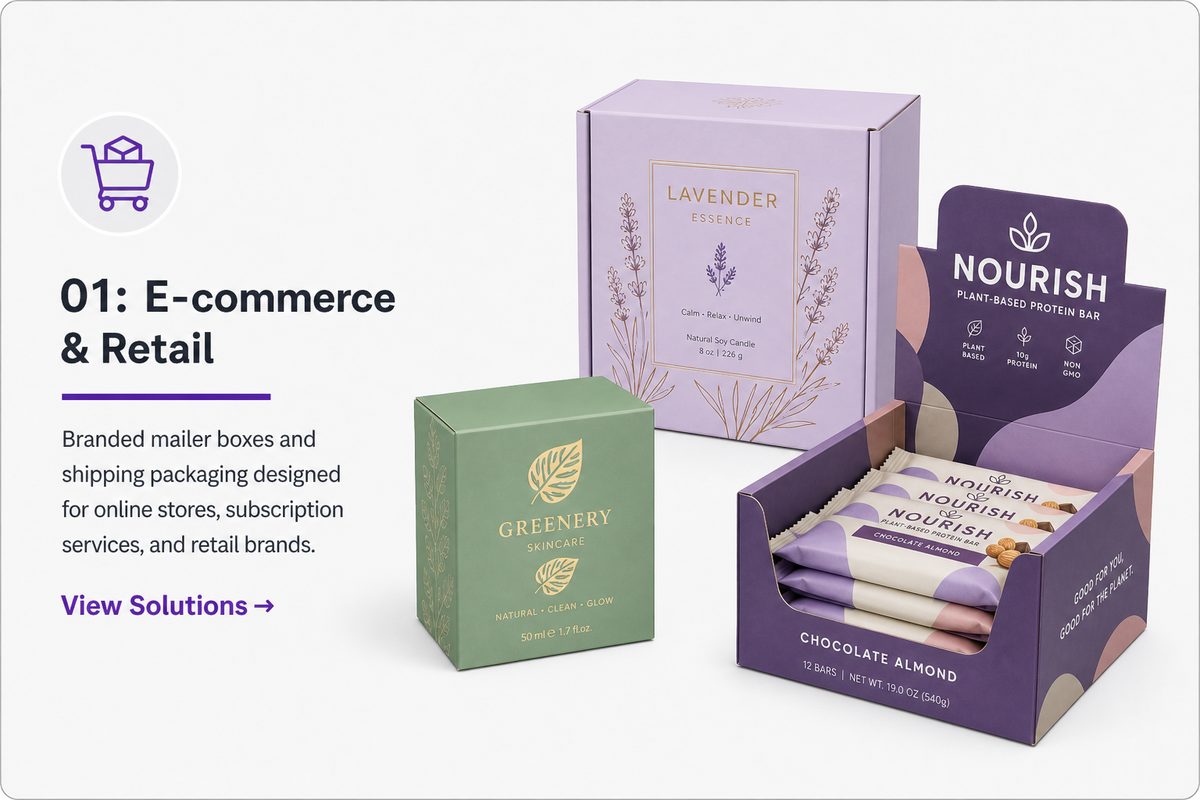
Question one: what must survive?
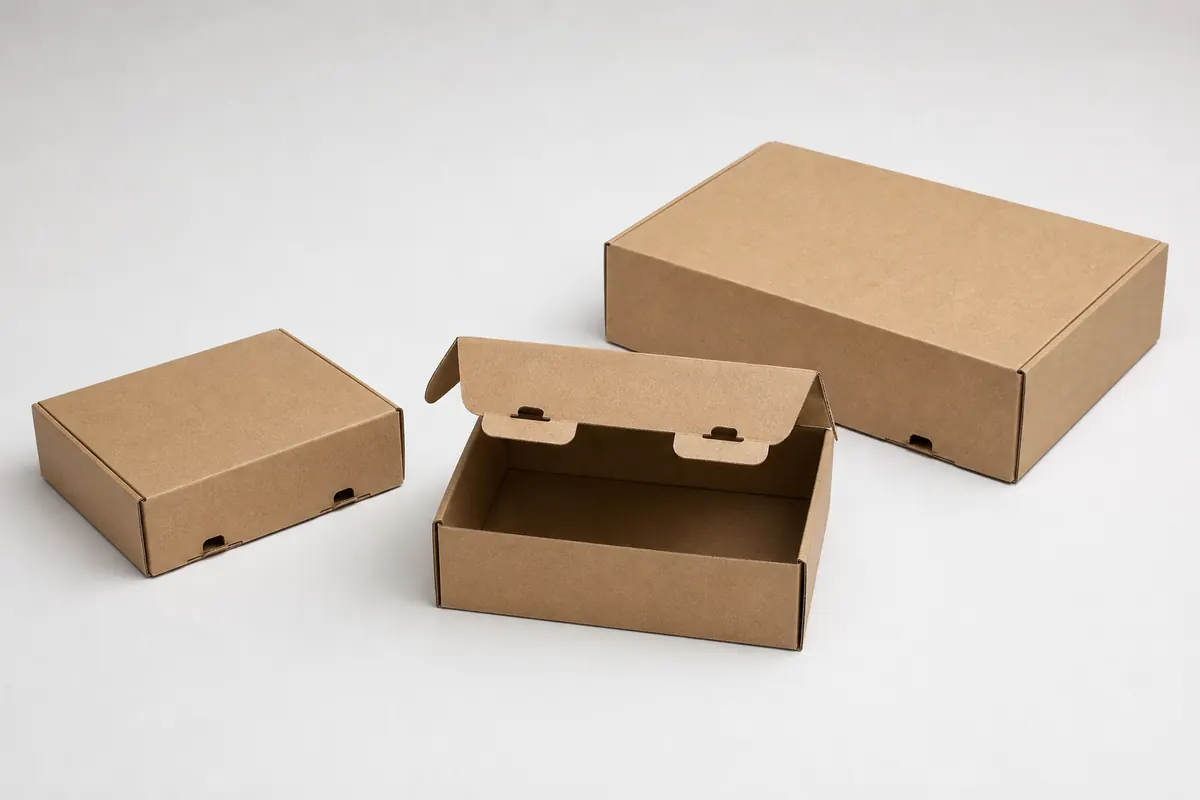
List product fragility, weight, and leakage risk. Rigid goods in snug mailers often need no cushioning; fragile goods require inserts or double-wall board; liquids need liners. Match board grade to the courier network, not just to shelf appearance. A compression or drop test prevents the two classic failures: crushed corners and burst seams.
Question two: where does branding earn money?
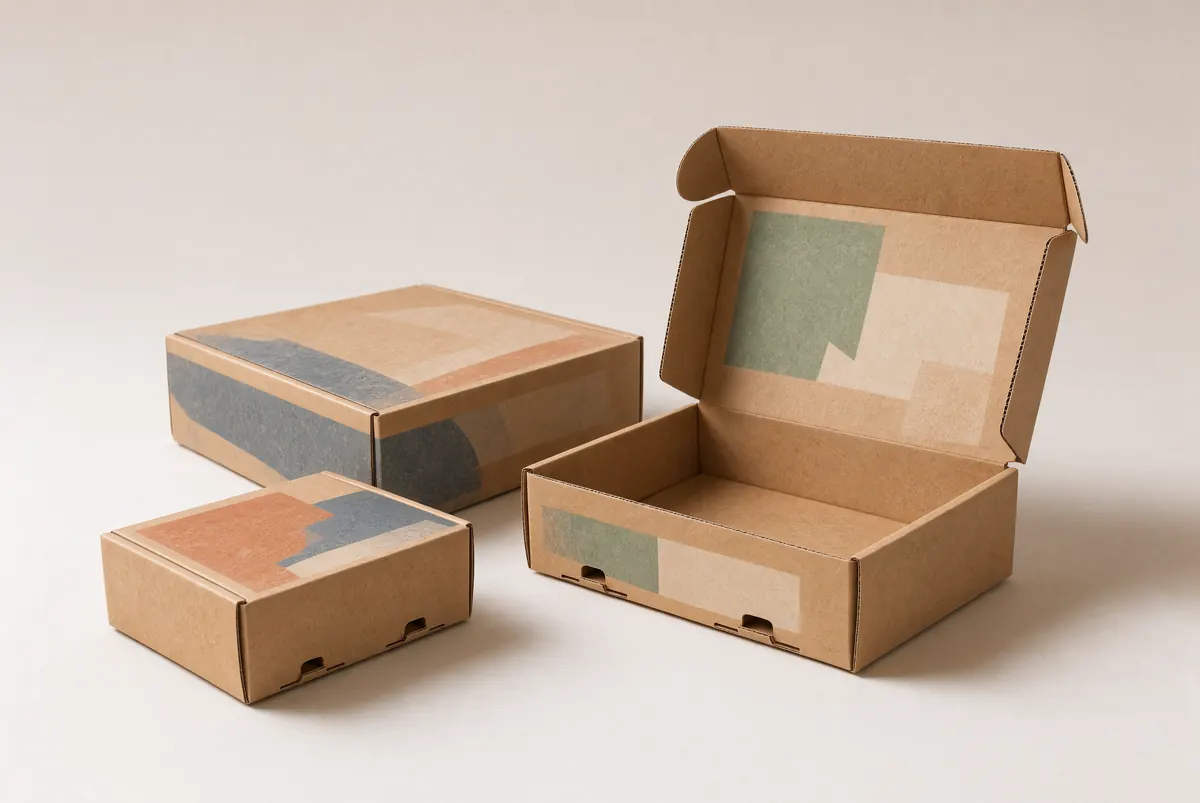
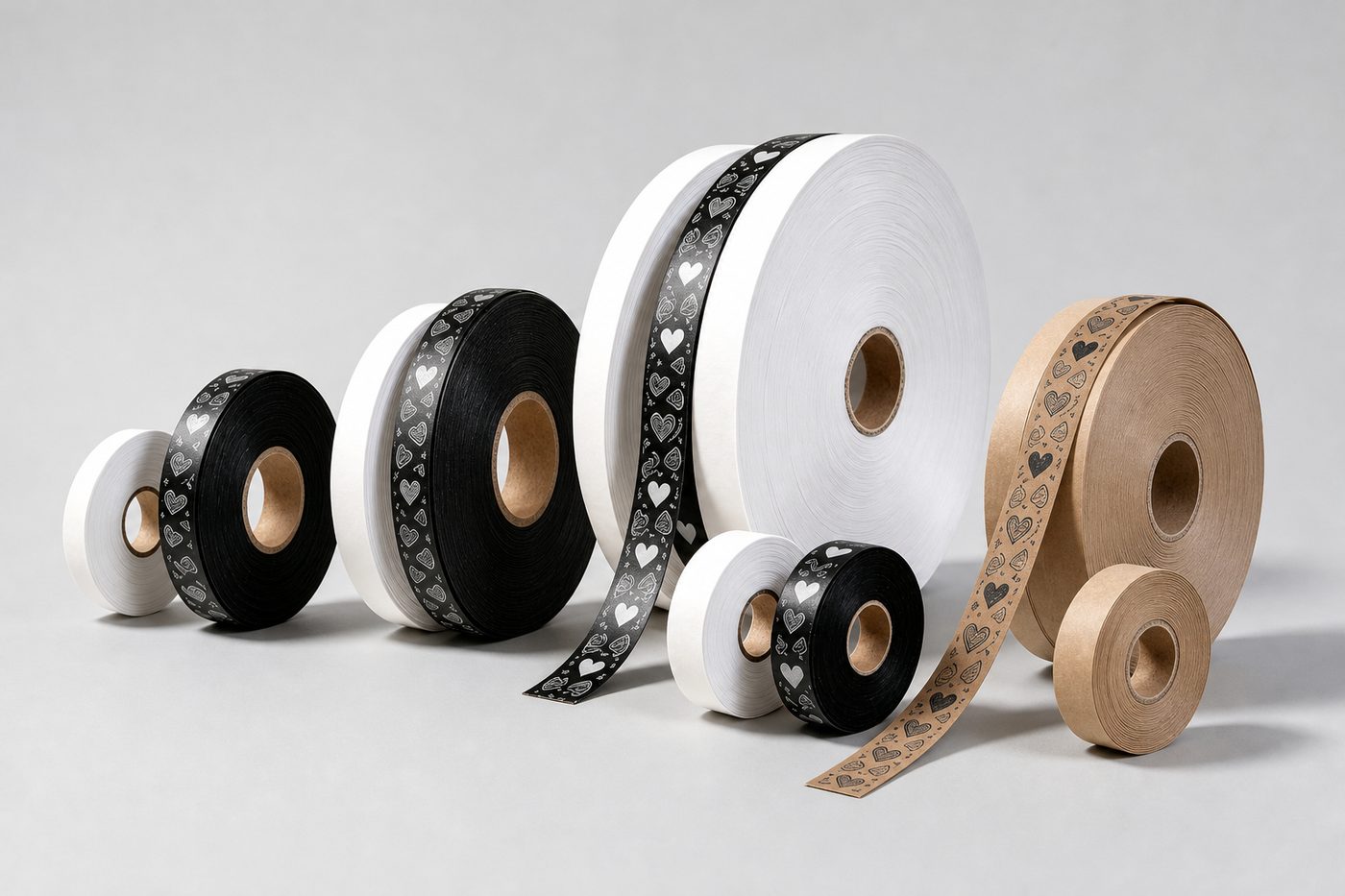
Unboxing influences repeat purchase and social sharing. Put print where customers look: the lid, the opening flap, and any insert card. Interior panels and tissue wrap cost less than exterior finishes and still create the branded moment. Reserve full-color finishing for hero products; plain kraft with a logo stamp can carry replenishment items.
Question three: what does the true cost look like?
Count material, freight, dimensional-weight charges, packing labor, and damage rates together. A slightly larger box can push parcels into a higher courier tier; too-small boxes raise damage refunds. Right-sized packaging often pays for better print quality from freight savings alone.
Question four: how will it scale?
Choose structures your packing team can close in seconds, like self-locking mailers, and confirm stock availability for repeat orders. Agree on MOQ and reorder lead times with your manufacturer, and keep a 3-5% reserve. Packaging that cannot keep up with promotions becomes a bottleneck regardless of how good it looks.
Work with Yade Printing
Yade Printing manufactures e-commerce packaging, from mailers to master cartons, with in-house corrugated production and printing. Share your product range for a right-sized packaging plan.
Experience the Print Quality Yourself
Request a free sample kit — feel the board, the finishing, and the print quality before you order.